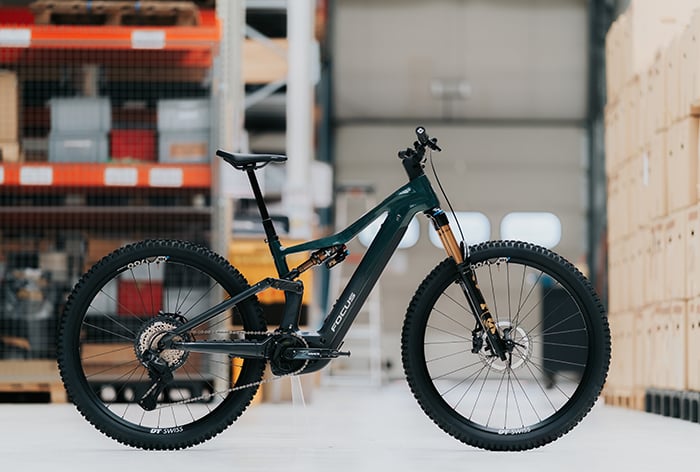
What we ride says something about who we are.

Not just in terms of speed, range, or handling – but in terms of what we value, what we believe in, and the kind of future we want to help shape. That belief propelled us to develop a new kind of e-MTB.

We built NEXT for riders who demand more than Newton meters, watt hours and suspension travel. We built it for a future where innovation is not only measured in grams saved, but also in harm reduced. We built it because we believe the trails we ride and its surrounding deserve better from us.
Recyclability

New product
Do Less Harm

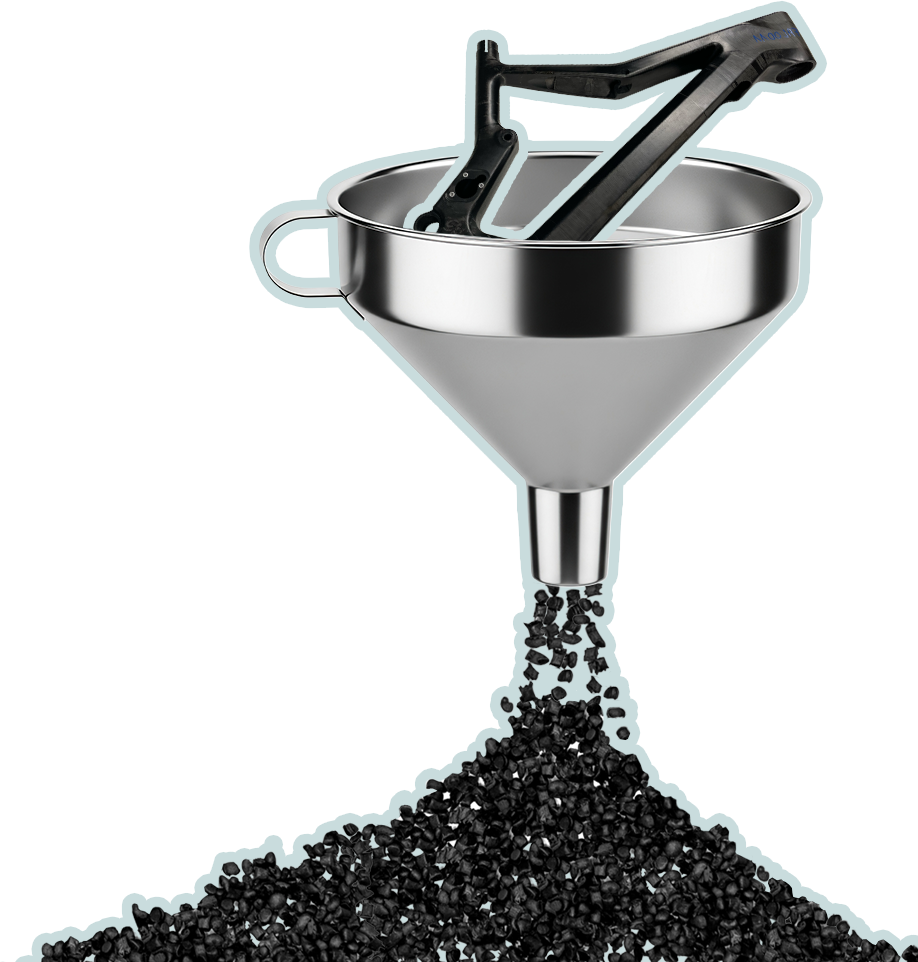
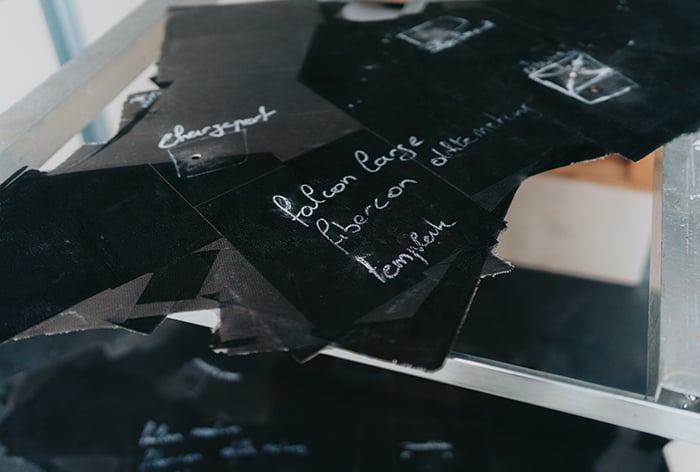
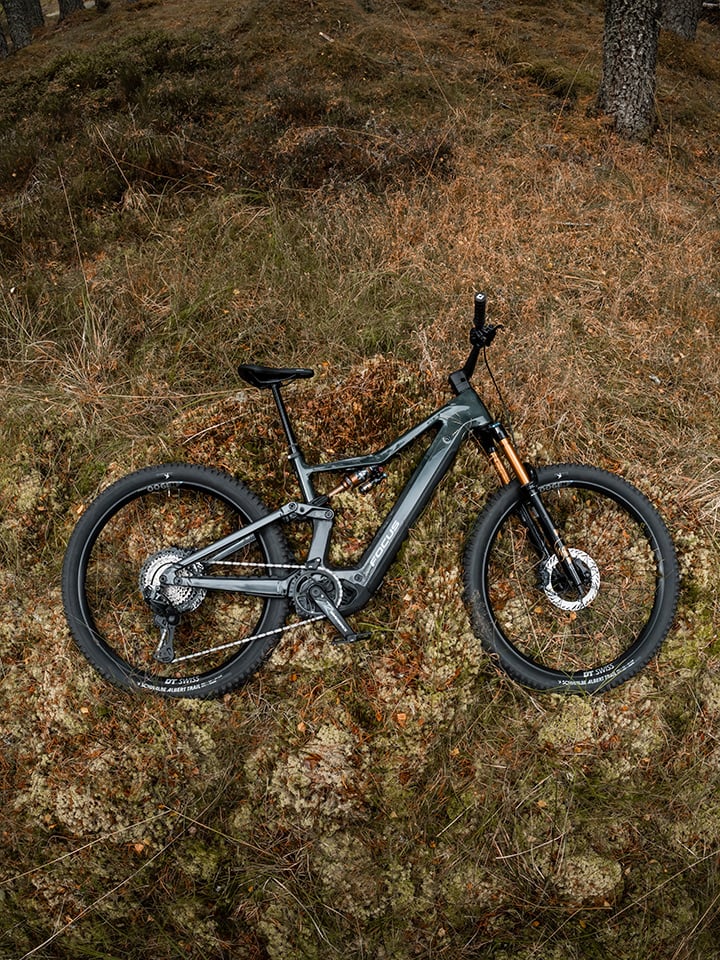
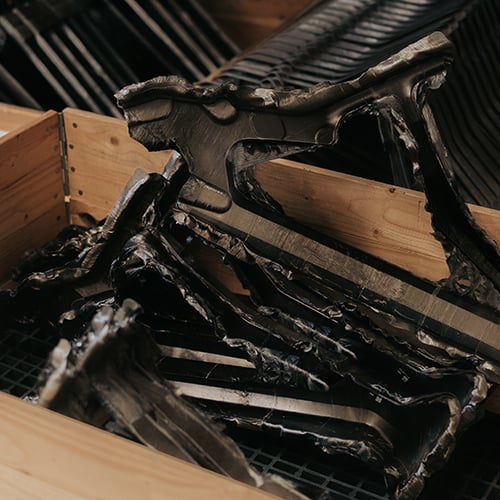
While traditional carbon products use an almost non-recyclable epoxy resin, we use a thermoplastic polymer for the NEXT frame, which can be remelted repeatedly. This material property allows the thermoplastic polymer and carbon fiber to be fully recovered and reused in the recycling process into new products. The recycling can be done after the frame’s end of life, but also the process waste in the factory can be reused to aim for a zero waste production. This contrasts with the usual practice where traditional epoxy carbon fiber products are largely disposed of in landfills, burned, or used as filler.

How?

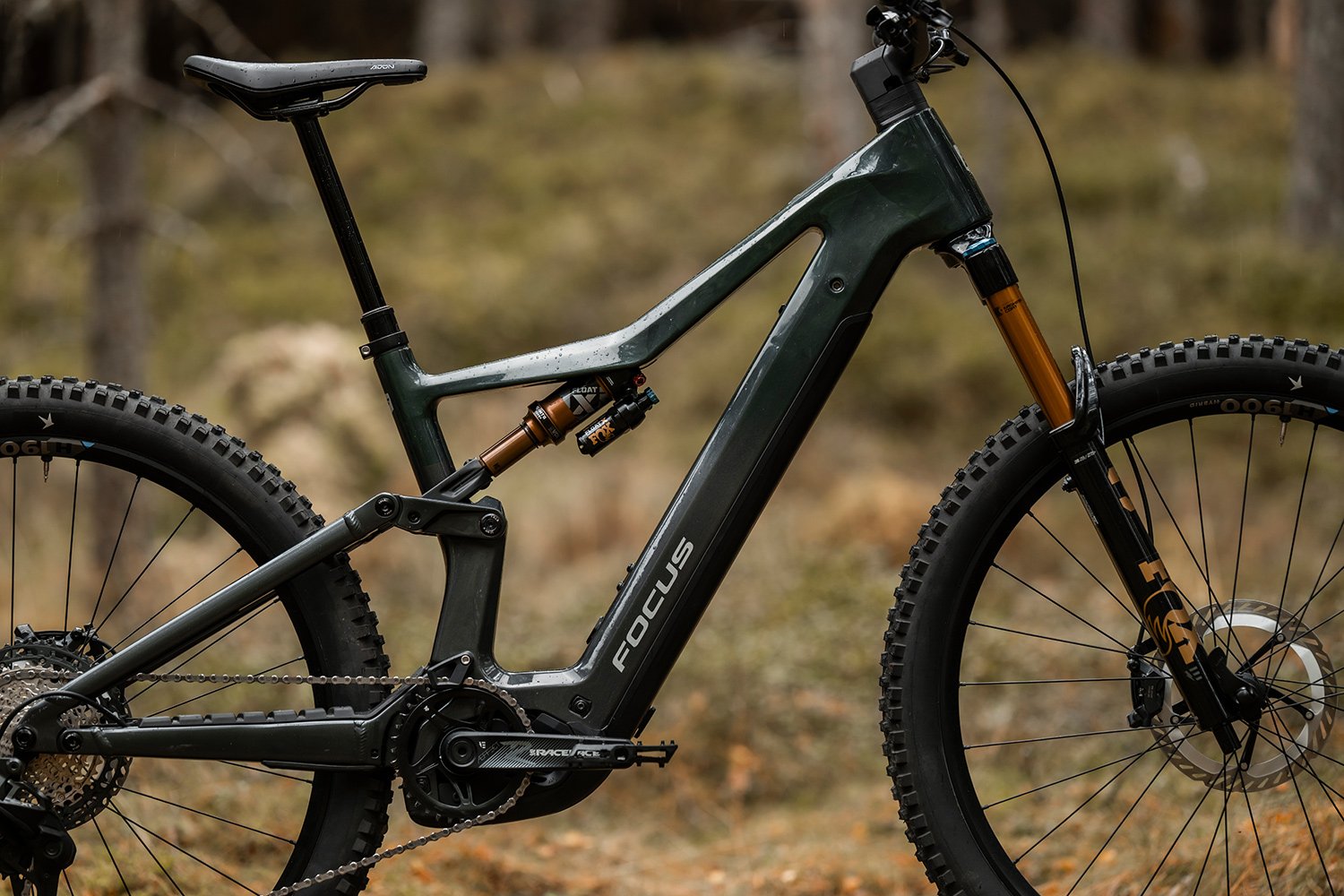
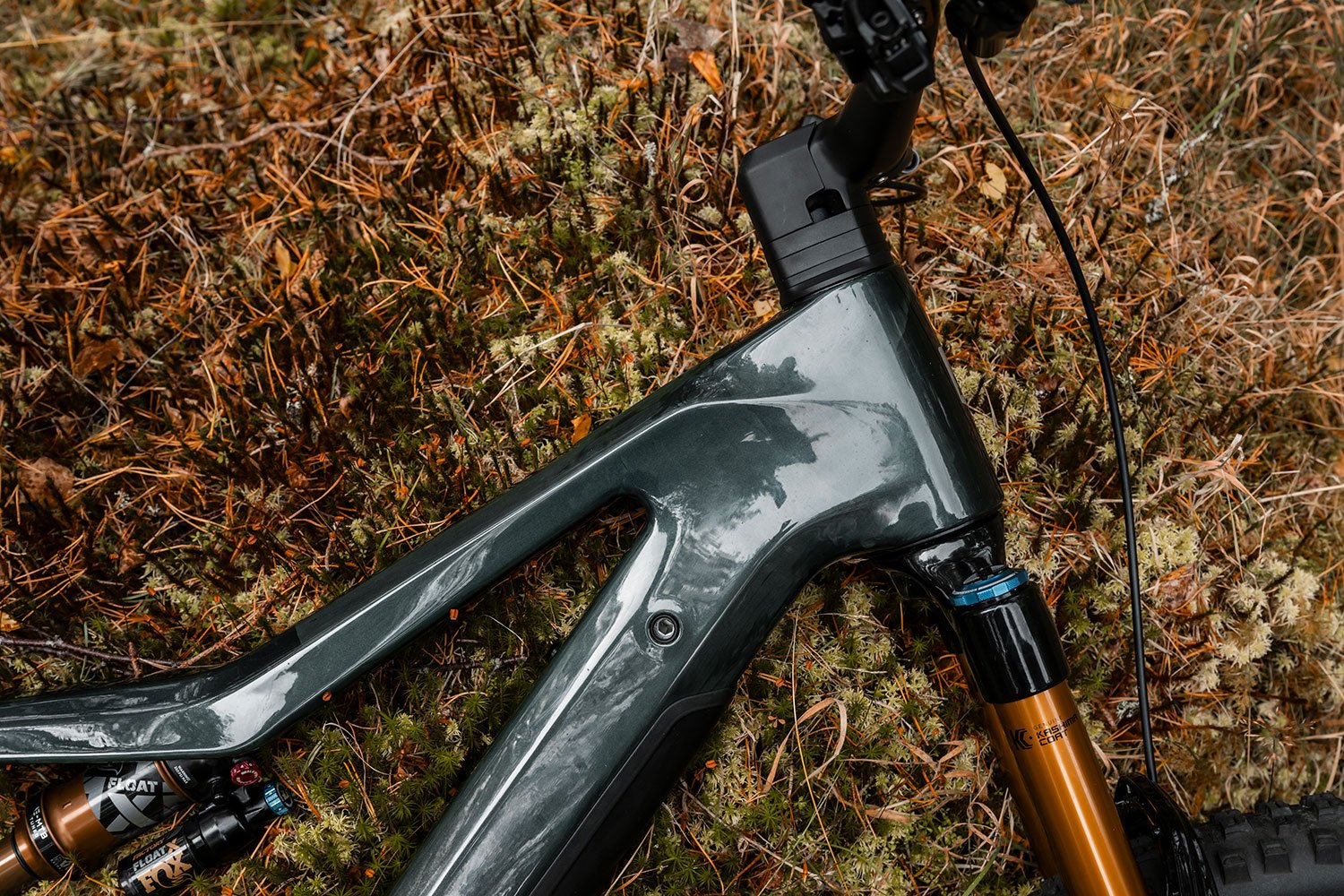
Let’s have a quick deep dive. Traditional carbon fiber frames consist of multiple material types: carbon fiber, resin, adhesive, aluminum inserts, and fiberglass. The more materials involved, the harder it is to recycle. In the NEXT model, we have used a single fiber type and one polymer, which we technically could call 'Mono-Composite'. Additionally, we optimised the frame for recycling and durability with minimal use of threads and their easy replacement.

Made to shred

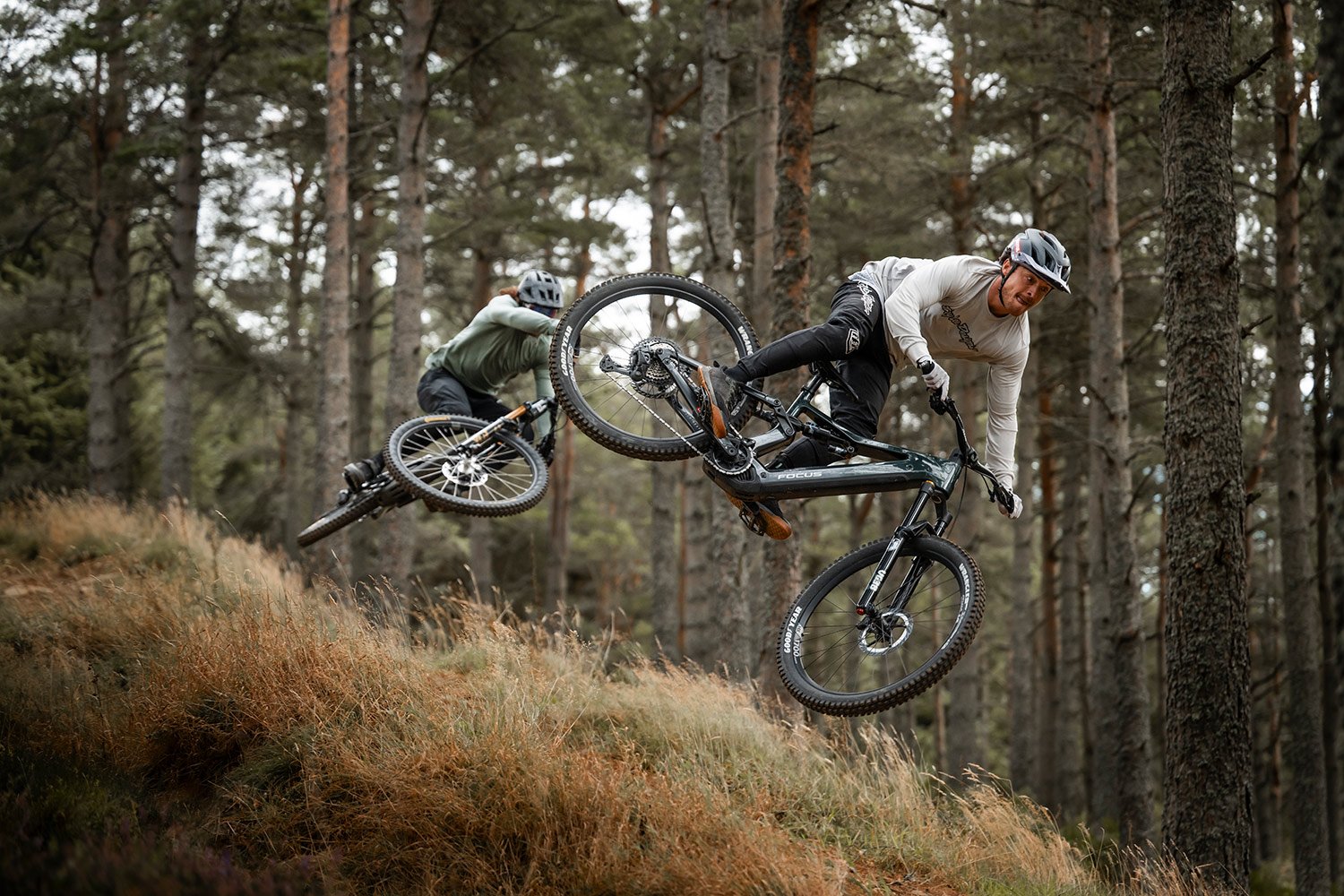
This bike is truly made to shred or, more aptly, to be shredded and reborn. For us, recyclability marks the start of a new chapter. We even design for recycling – just from the beginning.

We're setting things in motion with the JAM² NEXT as a real, tangible product. Now, we go step by step towards a better tomorrow. Our goal is to build an infrastructure around this innovation.

The advantages of carbon as a material, particularly in terms of light weight, aesthetics, and performance, are decisive factors for customers when choosing a bike. Our innovative frame holds its ground.
Purpose meets Performance

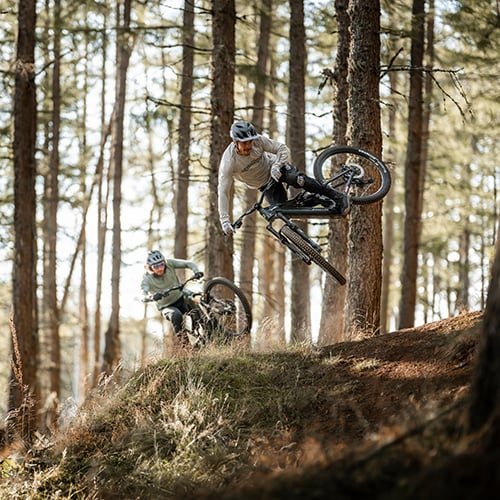
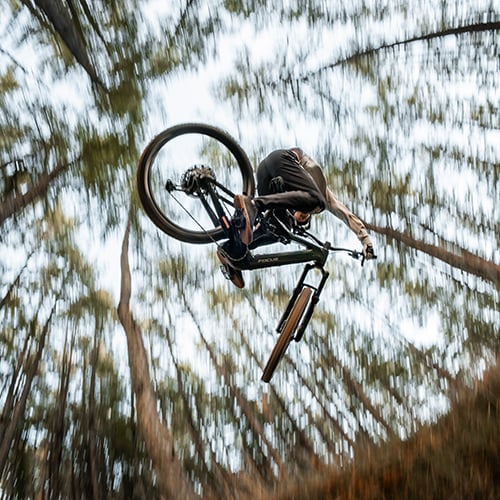
The thermoplastic carbon frame is one kilogram lighter than its aluminium equivalent, delivering exceptional agility and nimble trail performance without compromise. It outperforms aluminium, and we see no disadvantage in comparison to conventional carbon.

Made to Shred

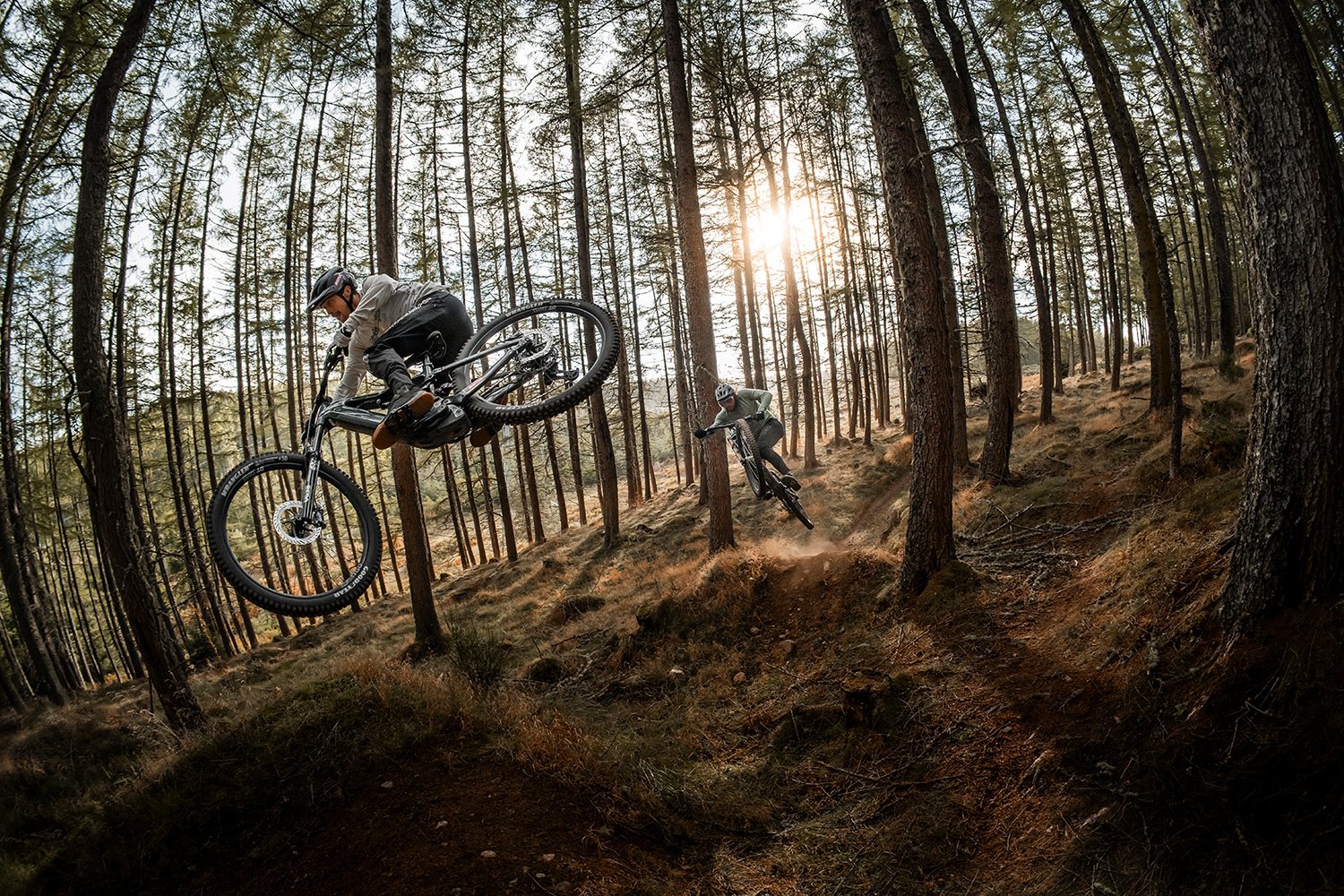
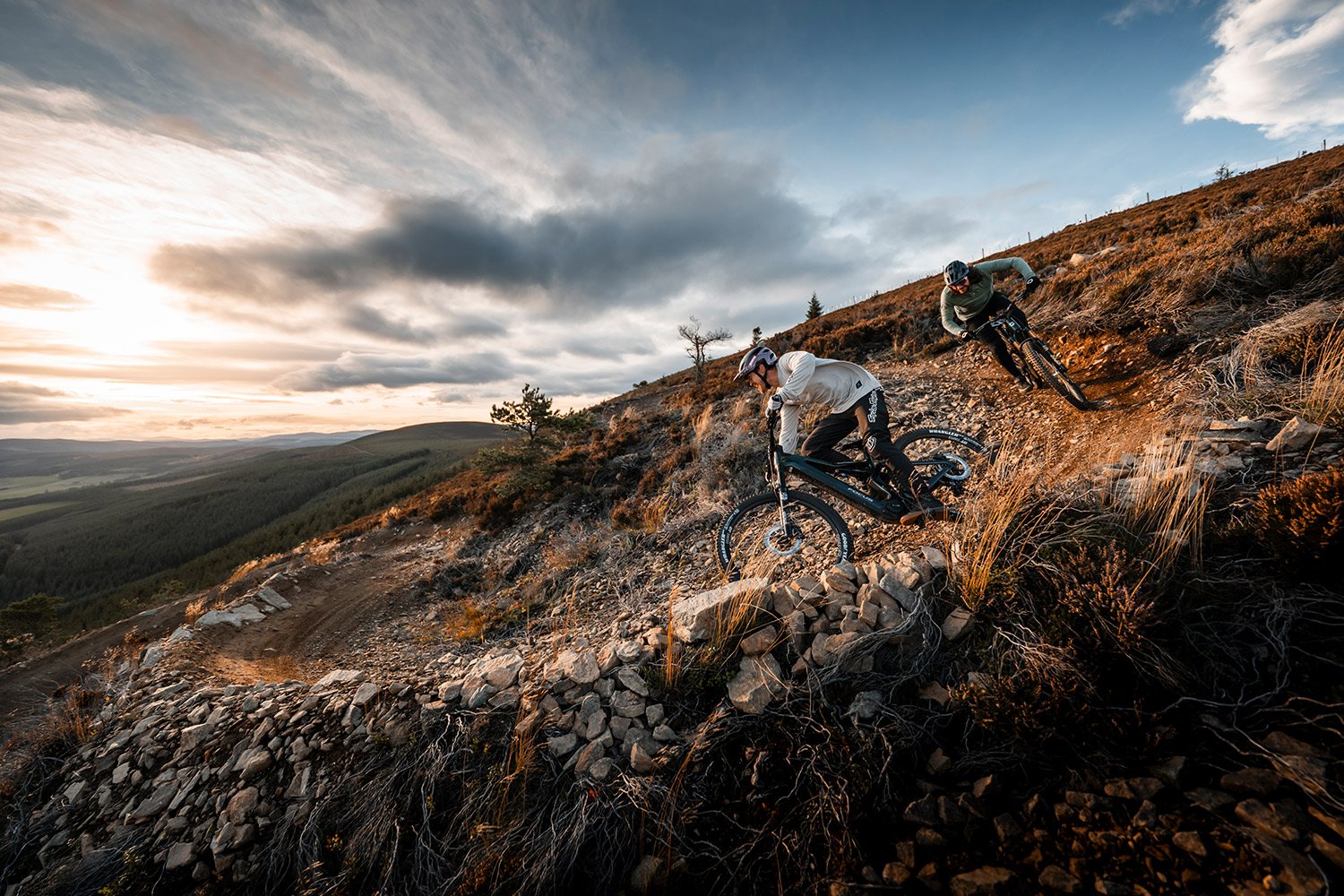
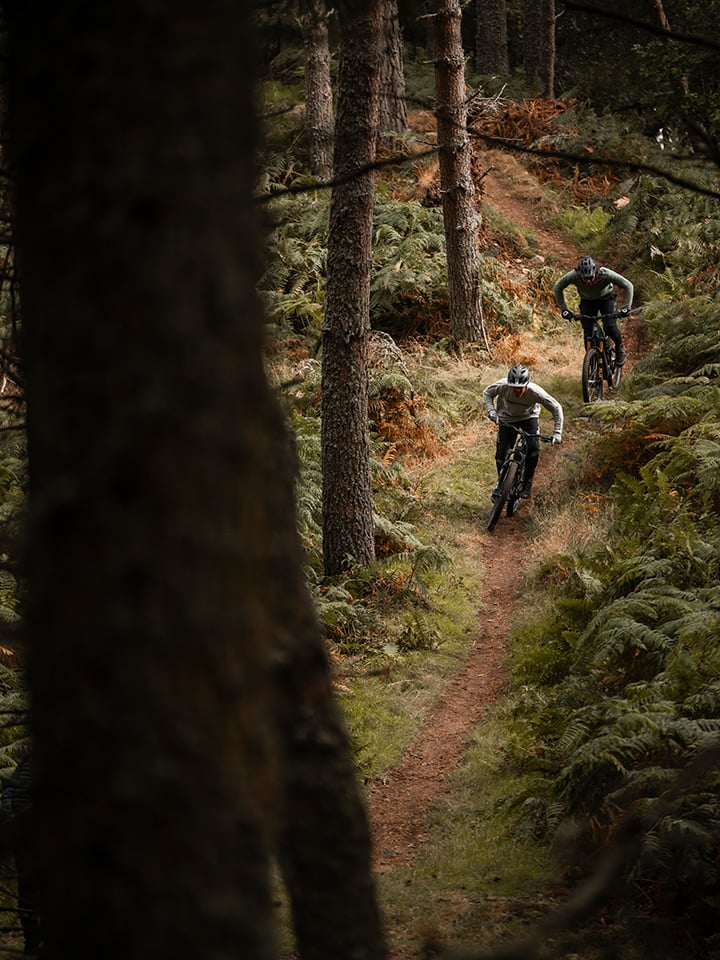
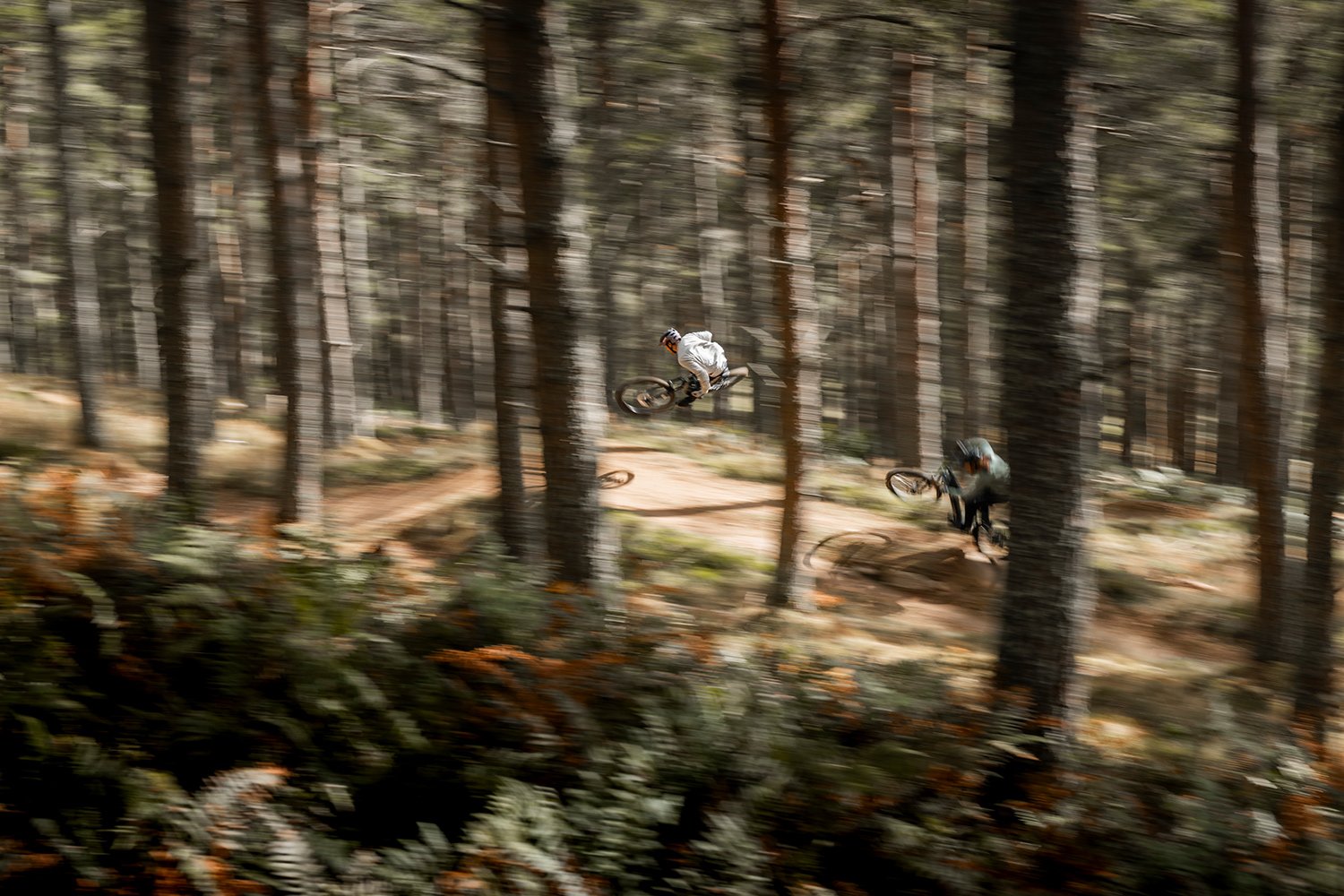
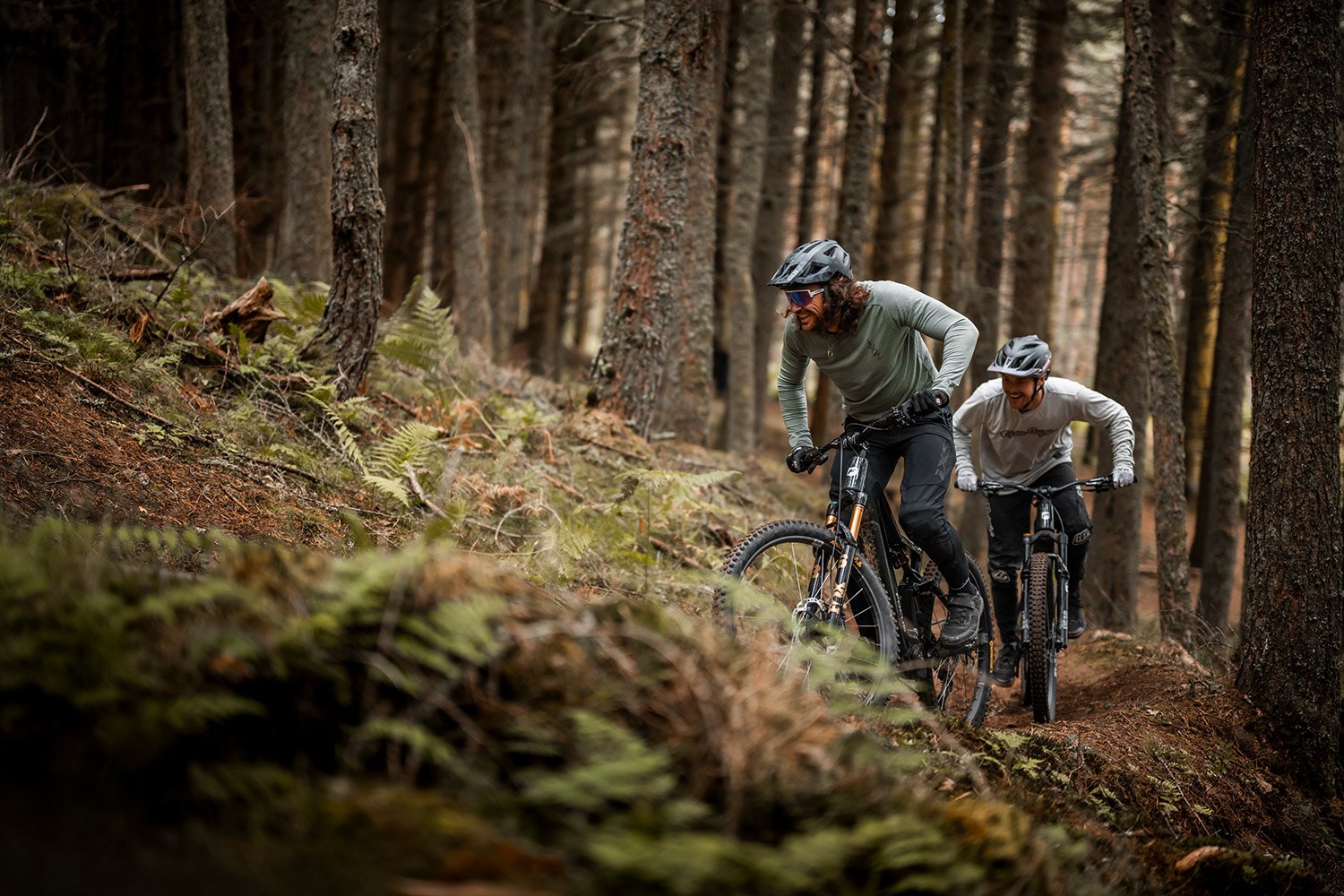
The JAM² NEXT demonstrates that top-tier performance and sustainability can not only coexist but potentially enhance each other. We attest to this not only through rigorous lab tests but also through real-world performance. Our best riders, alongside our employees in their daily rides and races, showcase the bike's full range of capabilities across varied conditions.

Production site and manual labor are no easy topics and we try to be as transparent as possible here.
Manufacturing in Europe

A key sustainability goal for us is to minimise our emissions. By reducing transportation distances (it’s only 400 km from REIN4CED to our plant), we achieve fewer emissions. Therefore, we aim(ed) for a production in Europe. But manual labour tends to be costly in Europe, leading to higher bike prices that most consumers find unappealing.

Fully Automated

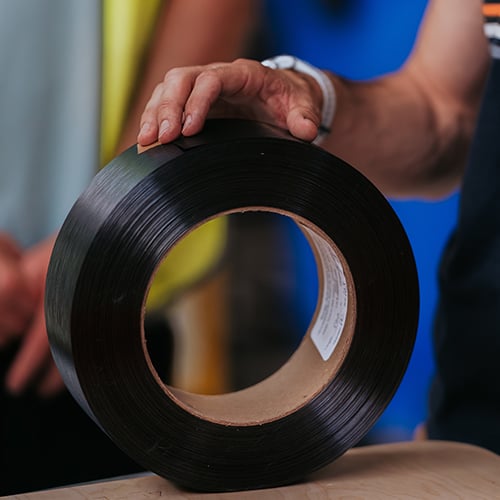
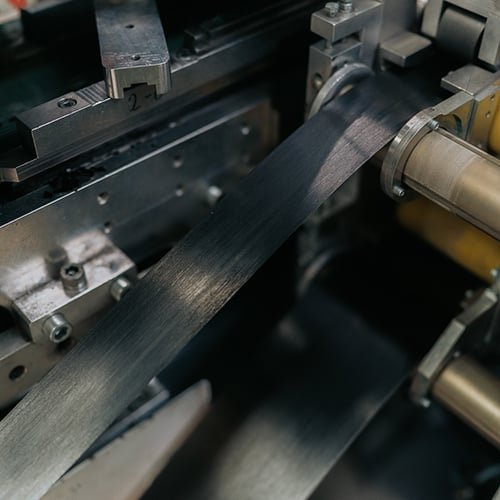
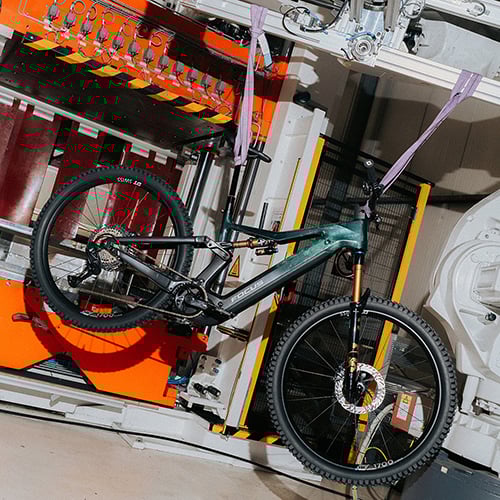
To tackle this, our production process, developed in collaboration with REIN4CED, replaces the manual laying of carbon prepregs with a fully automated process. This innovation not only facilitates production in Europe but also enhances product quality by reducing human error. Additionally, it reduces our dependency on Asian supply chains.

circular concept

Being based in Europe, this is currently our only viable approach to a circular concept: produced, used, and recycled locally.

To gain an even better overview of the context, it's worth taking a look at our sustainability report.

What began as a project in 2023 to demonstrate environmentally friendly possibilities has now evolved into a tangible product. At FOCUS, we believe this is the only effective way to identify and overcome any hurdles – no matter how small. Without proving that our product is functional and durable, we cannot progress. By developing a real product, we also gain valuable insights into the necessary surrounding infrastructure. The first step is proving the product's viability, and the next step is building the infrastructure needed to unlock its full potential.

Pioneering the Future of Carbon Bikes

For over 20 years, the bike industry has been crafting high-end carbon bikes, gradually transitioning from niche to the mass market. Traditionally, the production of these bikes has relied on a 100% manual process, with much of the know-how concentrated in Asia, where expertise in this area is highly developed.

Thermoplast

However, traditional carbon presents a significant challenge: it has a genuine recycling problem at the end of its lifecycle. This is where thermoplastic comes into play as a superior alternative, offering the crucial advantage of recyclability. While thermoplastic materials have primarily been used in the aerospace and automotive industries, their adoption in sports equipment, including bikes, has been minimal until now.

The Falcon Story

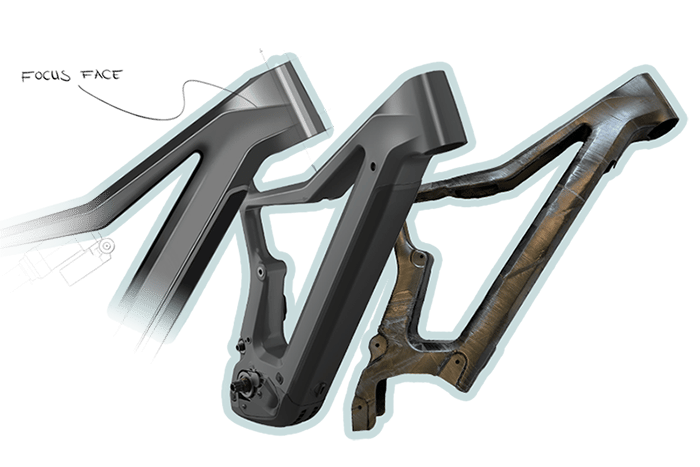
Thermoplastic introduces new production possibilities, especially the potential for automation in frame construction. This innovation led us to realize that both new processes and materials necessitate a fresh approach to design.

This is where Project Falcon began, named after the vision and philosophy behind it: foresight, speed, and above all, a clear focus in the broad field of sustainability.

Design for Manufacturing

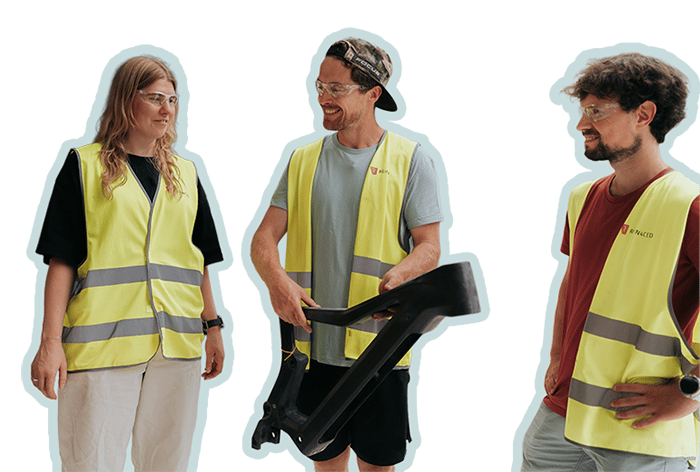
We had to adapt our frame development to these new process requirements. The best way to achieve this is through collaboration with the supplier, who possesses the process expertise. For us, this meant partnering with a 'local' expert, REIN4CED, located just a four-hour train journey away. This holistic approach encapsulates what we mean by 'Design for Manufacturing' – integrating design and production processes to ensure efficiency and sustainability from the ground up.

What’s NEXT?

The NEXT project is not only about material technology but also addresses fundamental question:
How much responsibility do companies bear for their products?